




| Submitted by: Barbara M.
Q: Besides calcium,
what else can I do for osteoporosis?
A: First of all, osteoporosis
is not a calcium-deficiency disease. If it were that simple,
there would probably be no osteoporosis because everybody
would just take calcium. The concern is, therefore, what the
body does with the calcium once it is in the body.
Osteoporosis is the most common bone disorder in America.
More than 50% of healthy American women age 30-40 are likely
to develop vertebral fractures as they age due to osteoporosis.
In bones affected with osteoporosis, new bone formation does
not keep up with bone removal, leaving the bone progressively
brittle. In the United States, more than 300,000 hip fractures
occur each year due to osteoporosis and with the aging baby
boomers this number will quickly rise to more than 500,000
each year.
Back to the calcium issue. One important factor is to know
that not all calcium supplements are created equally. Calcium
bound to citrate or lactate, fumarate, malate, and aspartate
appears to be the best for absorption and assimilation. Calcium
carbonate (chalk) is the least likely form of calcium to be
absorbed. This is probably because calcium carbonate requires
the greatest amount of stomach acid to be solubilized. Furthermore,
in postmenopausal women, it has been shown that about 40%
are severely deficient in stomach acid. At this point you
may be wondering why Tums (an antacid) is promoted as being
a good source of calcium (calcium carbonate, by the way)?
Good question. Taking a medication that lowers stomach acid
is very unlikely to provide an environment to absorb a poorly
absorbable form of calcium. In short, do not take Tums as
your source of calcium.
Another important supplement to consider for maximum calcium
assimilation is essential fatty acids (EFAs). EFAs (especially
EPA, DHA,
and GLA) can increase calcium absorption from the gut and
reduce its loss from the body. To put it simply EFAs are the
bus that carry calcium to the tissues. They also have the
capability of inhibiting the synthesis and secretion of cytokines,
such as interleukin-1, interleukin-6, and tumor necrosis factor-alpha
and inhibit nuclear translocation of NF-kB, which seems to
play a major role in the pathophysiology of osteoporosis.
Vitamin D, which is actually closer to a hormone than a vitamin,
is well known to stimulate the absorption of calcium. Vitamin
D is produced in our bodies mainly through the action of sunlight
on our skin.
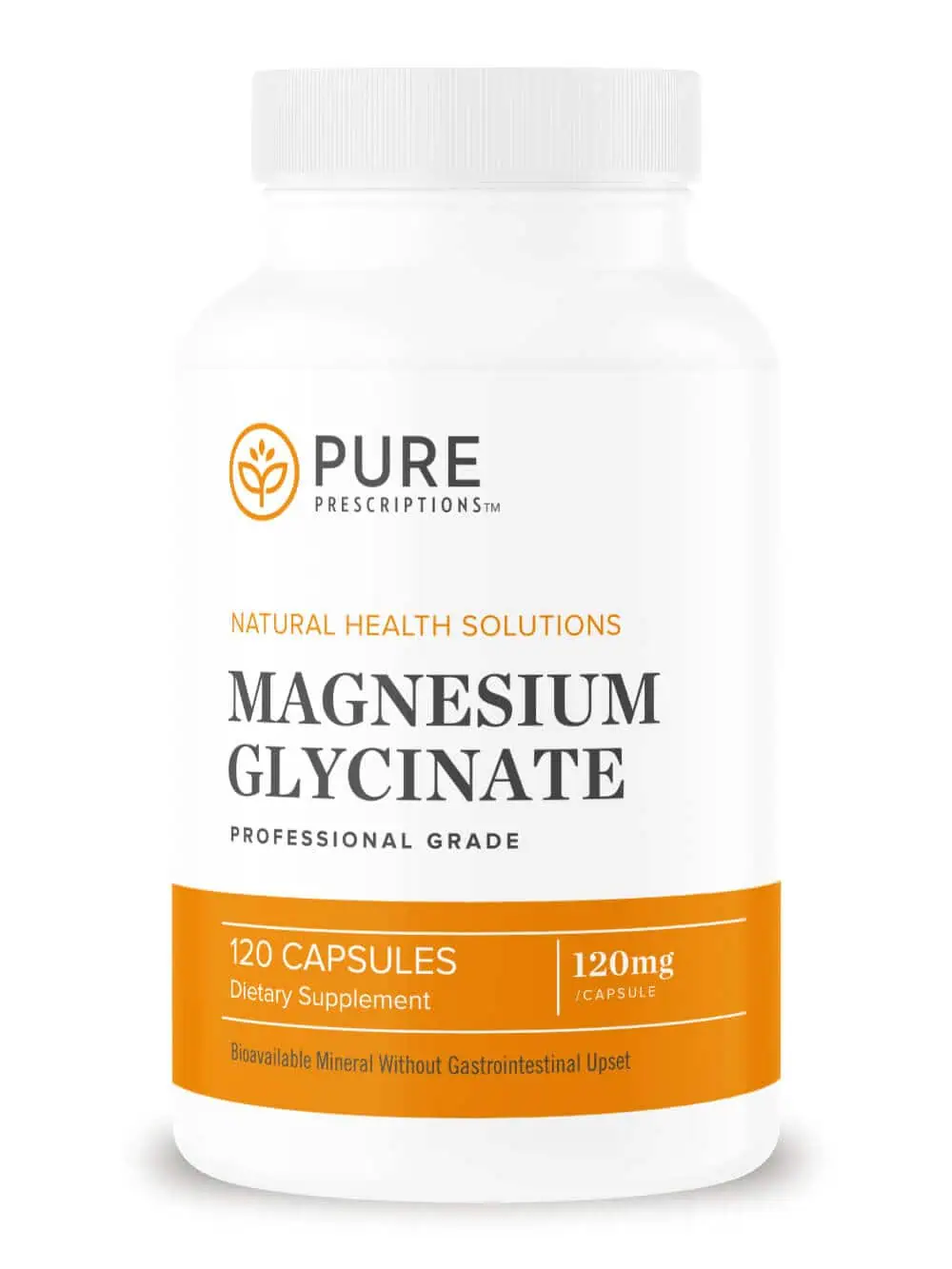
Magnesium
supplementation has been shown to be just as important as
calcium in the prevention and treatment of osteoporosis.
You also must consider vitamins B6,
B12, and folic acid. Increased homocysteine concentrations
in the blood have been demonstrated in postmenopausal women,
and are thought to play a role in osteoporosis by causing
a defective bone matrix. Vitamins B6, B12, and folic acid
are necessary for homocysteine metabolism and elimination.
Eat lots of green leafy vegetables (kale, collard greens,
parsley, spinach, turnip greens, lettuce - with the exception
of ice berg). Also consider supplementation with vitamin K,
boron, manganese, and soy isoflavinoids.
You need to eliminate soft drinks and milk because they contain
high amounts of phosphates that pull calcium from the bones.
People in countries with the highest dairy intake have the
highest rate of hip fractures per capita. Yes, dairy. The
marketing campaign by the wealthy dairy industry would have
you believe differently. The Nurses' Health Study, a study
involving 77,761 women, researchers found that women who drank
two or more glasses of milk per day had a 45% higher risk
for hip fracture compared with women consuming one glass or
less per week. Also creating a negative calcium balance are
high meat diets, refined carbohydrates, coffee, alcohol, and
smoking.
Aside from nutritional supplementation and dietary factors,
you need to exercise, exercise, and exercise. Walking, running,
tennis, aerobics, and weight lifting are the most effective
for building and maintaining bone mass.
As a final note, I am reluctant to discuss hormone replacement
therapy. Hormones have a very sensitive balance in the body
and need to be discussed on an individual basis. But because
there is a lot of misconception I will mention this. Estrogen
replacement therapy (ERT) inhibits bone resorption and reduces
the incidence of osteoporotic fractures. Unfortunately, ERT
also increases the risk of certain forms of cancer. Therefore,
in some individuals with late-stage osteoporosis, ERT benefits
may outweigh the risks. In this case at least consider a medication
called Tri-estrogen, a safer alternative to standard ERT.
In contrast to estrogen, which merely inhibits resorption
of old bone, progesterone
appears to enhance new bone formation, and is not carcinogenic.
Again, I will emphasize that these factors be considered
in conjunction with the advice of a qualified practitioner.
For a comprehensive, individualized assessment, please feel
free to set up a consultation. All of the above laboratory
indicators can easily be evaluated and a treatment protocol
can be determined without ever having to come into the office.
We live in bodies where all the systems are very interrelated
in a web-like balance of interactions. We cannot just listen
to one instrument when addressing the human body but rather
have to respect and consider the entire symphony. As usual,
I would recommend a consultation for an individualized, comprehensive
assessment.
CLICK HERE for more information!
|